


How Website Redesign Affects Organic Traffic
How Website Redesign Affects Organic Traffic
Importance of website design in today's digital landscape
In the age of the internet, having an engaging and aesthetically pleasing website is crucial for businesses. Your website serves as the digital storefront, and a well-designed site can make the difference between attracting and losing customers.
Definition of organic traffic
Organic traffic refers to visitors who find your website through unpaid search results. This traffic is incredibly valuable, as it often results in higher engagement rates, longer visits, and better conversion rates.
Objective of the blog post: exploring the impact of a website redesign on organic traffic
This article aims to discuss the various ways in which website redesign can influence organic traffic, both positively and negatively. We'll also cover best practices for mitigating potential negative effects and tracking the impact of your redesign efforts.
Why businesses redesign their websites

Reasons for Redesigning a website
- Outdated design: A website with an outdated design can deter users and hurt your brand image. By refreshing the look and feel of the site, businesses can maintain a modern and professional appearance that appeals to users.
- Improved user experience (UX): Improving the user experience can lead to increased engagement and conversions. A well-designed website should be intuitive, easy to navigate, and provide the information users are looking for.
- Mobile responsiveness: A mobile-friendly website is essential for reaching users on various devices and improving search engine rankings. With the majority of web traffic now coming from mobile devices, it's crucial to have a site that works seamlessly on all screen sizes.
- Rebranding: A website redesign may be necessary when a company goes through a rebranding process, ensuring that the new design aligns with the updated brand identity and messaging.
- Conversion optimization: By redesigning a website with a focus on conversion rate optimization (CRO), businesses can improve the effectiveness of their site, leading to higher conversions and a better return on investment.
The relationship between website design and organic traffic
A well-designed website can lead to increased organic traffic. When users have a positive experience on your site, they're more likely to engage with your content, share it with others, and return for future visits. These factors can improve your search engine rankings, driving even more organic traffic to your site.
Factors to consider before redesigning a website
Setting clear objectives and goals
Before starting a website redesign, it's crucial to define clear objectives and goals. Understanding what you want to achieve with the redesign will help guide your decisions throughout the process and ensure a successful outcome.
Analyzing current website performance
To determine the areas of your website that need improvement, you should analyze its current performance. Look at metrics such as bounce rate, time on site, and conversion rates to identify areas where users may be struggling or disengaging with your content.
Identifying areas of improvement
Once you've analyzed your website's performance, you can identify specific areas that need improvement. These might include updating the design, improving site speed, optimizing content, or enhancing the user experience.
Understanding your target audience and their needs
A successful website redesign should be centered around the needs and preferences of your target audience. Conduct user research and gather feedback to ensure that your redesigned site will resonate with users and meet their expectations.
Developing a comprehensive SEO strategy
A redesign presents an opportunity to improve your site's SEO performance. Develop a comprehensive SEO strategy that includes keyword research, on-page optimization, and technical improvements to ensure your redesigned site ranks well in search results.
How website redesign can positively impact organic traffic
Improved UX leading to better engagement metrics
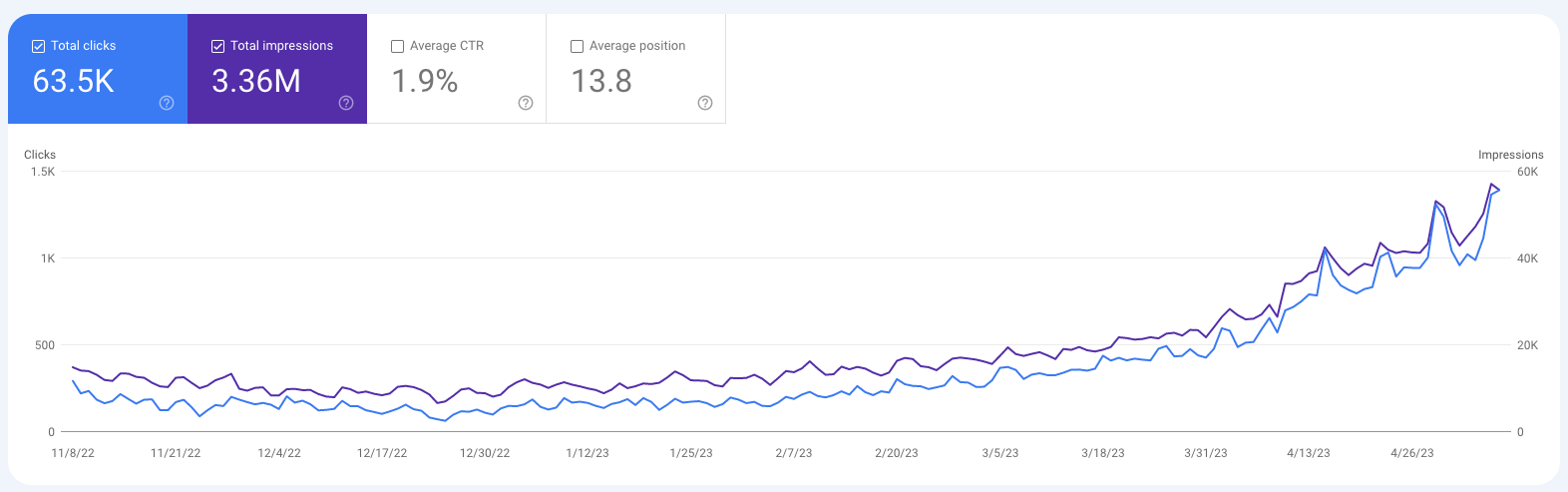
By focusing on user experience (UX) during a website redesign, you can create a more enjoyable and intuitive environment for visitors. This can lead to improved engagement metrics, such as lower bounce rates and longer session durations, which can boost your search engine rankings and drive more organic traffic.
Mobile-friendly design for enhanced search rankings
Ensuring that your redesigned website is responsive and mobile-friendly is crucial for improving search engine rankings. Google prioritizes mobile-friendly sites in its search results, so investing in a mobile-responsive design can lead to increased organic traffic from mobile users.
Optimized website structure for better crawlability and indexing
A well-structured website with clear navigation and a logical hierarchy makes it easier for search engine crawlers to index your content. As you redesign your site, focus on creating an SEO-friendly structure that allows search engines to efficiently crawl and index your pages, leading to improved search rankings and organic traffic.
Incorporation of relevant keywords and content
A website redesign is an opportunity to review and optimize your site's content, ensuring that it's relevant, valuable, and optimized for your target keywords. By incorporating relevant keywords and creating high-quality content, you can improve your site's search rankings and attract more organic traffic.
Boosting website speed and performance
Site speed and performance are critical factors for both user experience and search engine rankings. A faster-loading website can result in lower bounce rates and higher engagement, which can boost your organic traffic. During your website redesign, prioritize optimizing site speed and performance to improve the user experience and search rankings.
Potential negative effects of website redesign on Organic Traffic
Loss of existing SEO value
During a redesign, it's possible to inadvertently lose some of the SEO value your site has built up over time. This can happen if you remove pages or content that have earned backlinks or if you change your site's structure without properly updating internal links.
Broken links and 404 errors
A website redesign can sometimes lead to broken links and 404 errors, which can negatively impact your search rankings and organic traffic. It's essential to identify and fix any broken links during and after the redesign process to maintain your site's SEO value.
Changes in URL structure
Altering the URL structure of your site during a redesign can cause issues with search engines and organic traffic. If you change the URLs of your pages without properly implementing redirects, you risk losing the SEO value those pages have accumulated and confusing search engines.
Reduced content quality
In some cases, a website redesign can lead to reduced content quality if you remove valuable information or fail to optimize new content for SEO. This can hurt your search rankings and organic traffic, so it's crucial to maintain and improve content quality throughout the redesign process.
Negative impact on website performance and load times
If your redesigned website has a slower load time or performs poorly, it can negatively affect both user experience and search rankings. Be sure to monitor your site's performance during the redesign process and address any issues that arise.
Best practices to mitigate potential negative effects
Performing an SEO audit before and after the redesign
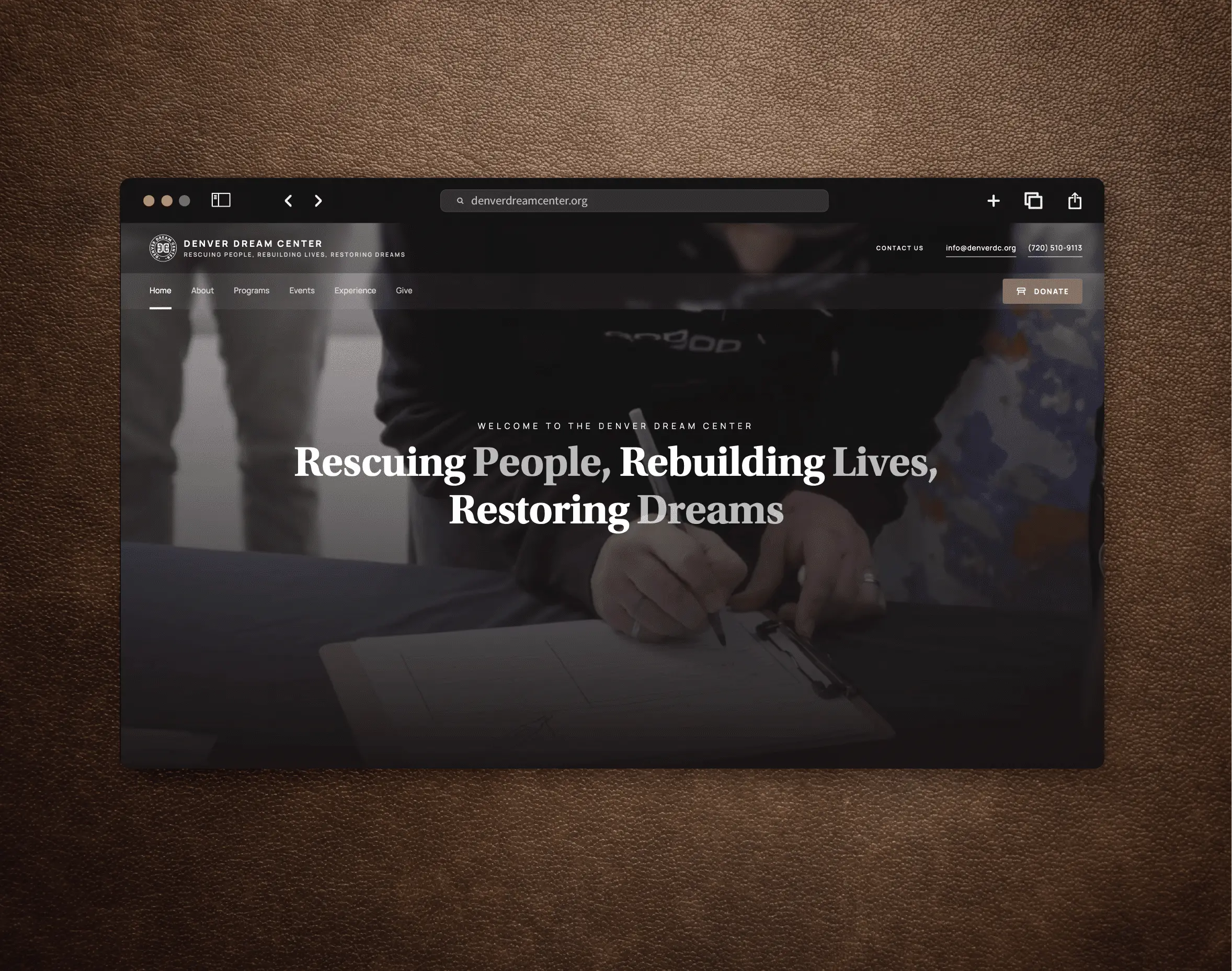
An SEO audit can help you identify potential issues with your site's SEO performance before and after the redesign. By addressing these issues, you can ensure that your redesigned site maintains and improves its search rankings and organic traffic.
Ensuring proper redirection of old URLs to new ones
If you change the URL structure of your site during a redesign, it's crucial to implement proper redirects from the old URLs to the new ones. This ensures that any existing SEO value is preserved and that search engines can easily understand the changes to your site.
Maintaining and improving content quality
Throughout the redesign process, prioritize maintaining and improving the quality of your site's content. Ensure that new content is well-optimized for SEO, and avoid removing valuable information that has contributed to your site's existing search rankings.
Keeping the website structure SEO-friendly
As you redesign your site, focus on creating a clear and logical website structure that is easy for both users and search engines to navigate. An SEO-friendly structure can improve your site's crawlability and indexing, leading to better search rankings and increased organic traffic.
Monitoring website performance and fixing any issues
Be sure to monitor your redesigned site's performance and load times to identify and address any issues that arise. A fast-loading, well-performing site can lead to a better user experience and improved search rankings, which can drive more organic traffic to your site.
Tracking and measuring the impact of a website redesign on organic traffic

Analyzing Google Analytics data
Google Analytics is an essential tool for monitoring the impact of your website redesign on organic traffic. Analyze key metrics such as organic traffic, bounce rate, session duration, and conversion rates to assess the effectiveness of your redesign efforts.
Monitoring Google Search Console reports
Google Search Console provides valuable insights into your site's search performance and can help you identify any issues related to your redesign. Monitor reports such as crawl errors, indexation status, and search queries to ensure your redesigned site is performing well in search results.
Using third-party SEO tools for additional insights
There are many third-party SEO tools available that can provide additional insights into your site's performance and the impact of your redesign efforts. Tools like SEMrush, Ahrefs, and Moz can help you track keyword rankings, backlinks, and other important SEO metrics.
Comparing pre- and post-redesign data to gauge performance
To measure the success of your website redesign, compare key metrics from before and after the redesign. Look for improvements in organic traffic, search rankings, engagement, and conversions to determine if your redesign efforts have had a positive impact.
Continuously optimizing and refining the website based on data insights
A successful website redesign is an ongoing process. Continuously monitor your site's performance and use data insights to make adjustments and refinements as needed. This will ensure that your site continues to improve and drive organic traffic over time.
Recap of the impact of website redesign on organic traffic
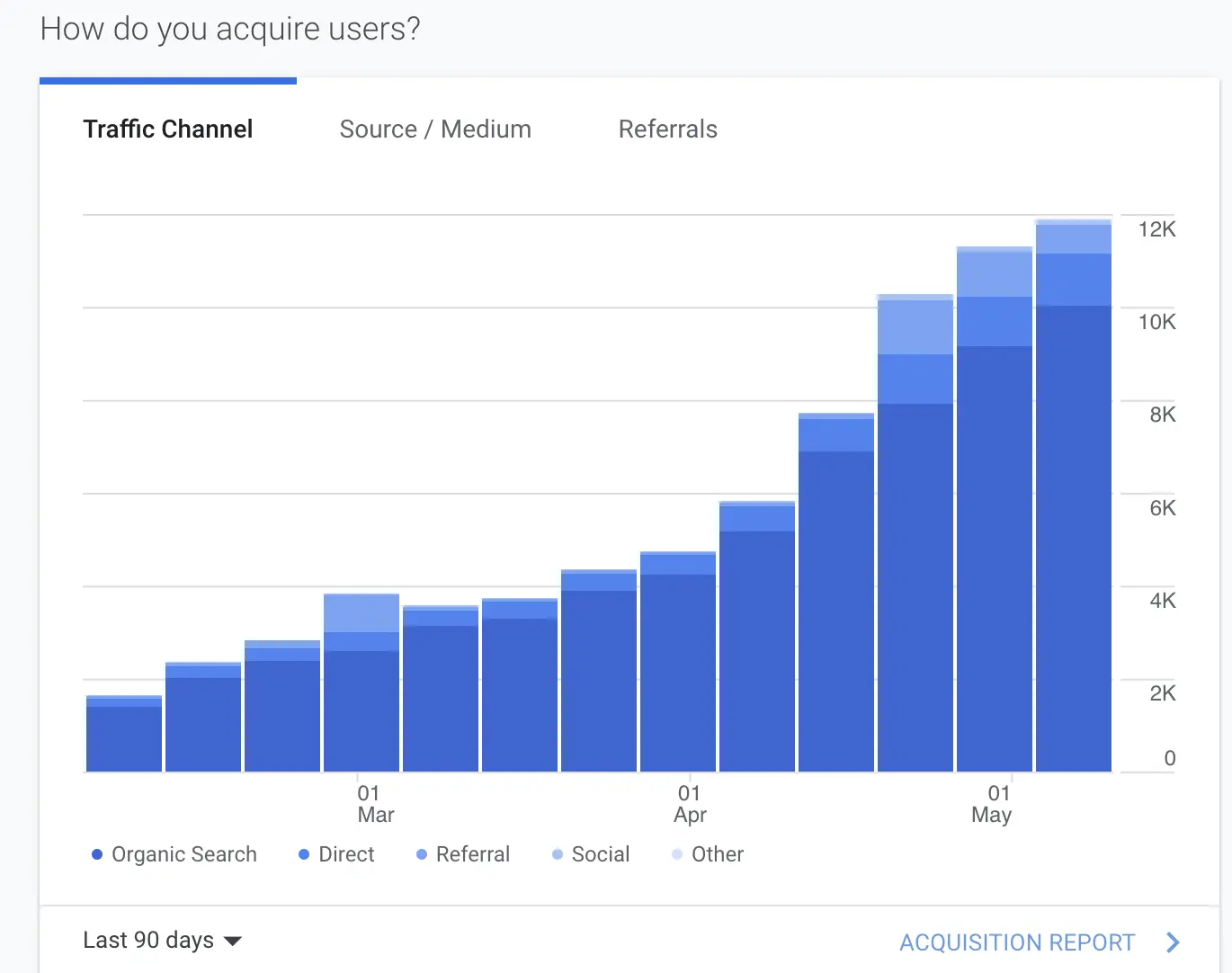
A well-executed website redesign can have a significant impact on your site's organic traffic. By focusing on improving user experience, optimizing content, and addressing technical SEO issues, you can drive more organic traffic and achieve better search rankings.
Emphasizing the importance of a well-planned redesign strategy
It's crucial to plan your website redesign carefully and consider the potential effects on organic traffic. By following best practices and tracking the impact of your efforts, you can ensure a successful redesign that drives long-term growth.
Encouraging continuous monitoring and optimization
A successful website redesign is not a one-time event. Continuously monitor your site's performance and optimize based on data insights to ensure ongoing success and growth in organic traffic.
FAQs About Website Redesign Impact On Organic Traffic
How long does it take to see the impact of a website redesign on organic traffic?
The time it takes to see the impact of a website redesign on organic traffic can vary depending on several factors, including the size of your site, the extent of the redesign, and your industry. Generally, you may start to see some changes in your organic traffic within a few months to a year after the redesign.
Can I redesign my website without negatively affecting organic traffic?
Yes, you can redesign your website without negatively affecting organic traffic by following best practices and taking precautions to maintain your site's existing SEO value. This includes conducting an SEO audit before and after the redesign, implementing proper redirects, maintaining content quality, and monitoring website performance.
How can I ensure that my redesigned website is mobile-friendly?
To ensure that your redesigned website is mobile-friendly, use responsive design techniques that adapt your site's layout and content to fit various screen sizes. You can also use tools like Google's Mobile-Friendly Test to check your site's mobile compatibility and identify any issues that need to be addressed.
What should I prioritize during my website redesign to improve organic traffic?
During your website redesign, prioritize improving user experience, optimizing content for SEO, addressing technical SEO issues, and implementing a mobile-friendly design. These factors can help improve your site's search rankings and drive more organic traffic.
How can I track the success of my website redesign?
To track the success of your website redesign, use analytics tools like Google Analytics and Google Search Console to monitor key performance metrics, such as organic traffic, search rankings, bounce rate, session duration, and conversion rates. Comparing pre- and post-redesign data can help you gauge the effectiveness of your redesign efforts and identify areas for further improvement.