

Navigating the Surge in Digital Advertising Costs
In today's digital landscape, the terrain of online marketing is incessantly transforming. Amidst this fluidity, there's been a pronounced increase in the cost of digital ads, a trend that has left many advertisers and businesses pensive. Diving deeper into this scenario, this article seeks to detail the doings of these rising costs and offer strategic responses for businesses aiming to maximize their advertising ROI.
The Anatomy of Soaring Digital Ad Expenditures
A closer observation reveals multifaceted reasons behind the escalating costs of digital ads. As the digital space becomes densely populated, competition intensifies, leading to elevated prices.
Understanding Key Influencers:
Supply vs. Demand Dynamics:
The advent of the digital age has spurred businesses to recognize and harness the potency of online advertising. This surge in demand, juxtaposed with a relatively stable supply of ad spaces, has inevitably catalyzed price augmentations.
The Precision of Targeting:
The digital advertising realm has witnessed a metamorphosis, especially in the granularity of ad targeting. The ability to pinpoint specific demographics or behaviors, though efficient, further amplifies the overall cost.
The Reign of Few Platforms:
A handful of digital platforms virtually monopolize the advertising domain. Their pervasive dominance provides them the leverage to set and drive ad pricing, often to the detriment of advertisers.
A Pantheon of Strategies to Buffer Rising Ad Costs
Albeit challenging, the current landscape is not devoid of opportunities for businesses to navigate the pricing tide. Here are nuanced strategies that can be employed:
Expanding Horizons: Diversifying Advertising Platforms
Adhering religiously to a single platform can render businesses susceptible to arbitrary price inflations. By spreading ad spend across a medley of platforms, businesses can tap into varied audiences and exploit distinct pricing models. Experimenting with ads on diverse platforms also paves the way for discerning those yielding optimal ROI.
The Art of Ad Refinement: Optimize Ad Creatives
The potency of an ad is significantly influenced by its design and content. Investing in refining ad creatives can yield dividends in the form of superior engagement and conversion rates. Regular A/B testing, audience feedback, and leveraging analytics can provide insights into crafting compelling ad narratives.
The Organic Odyssey: Embrace Non-paid Strategies
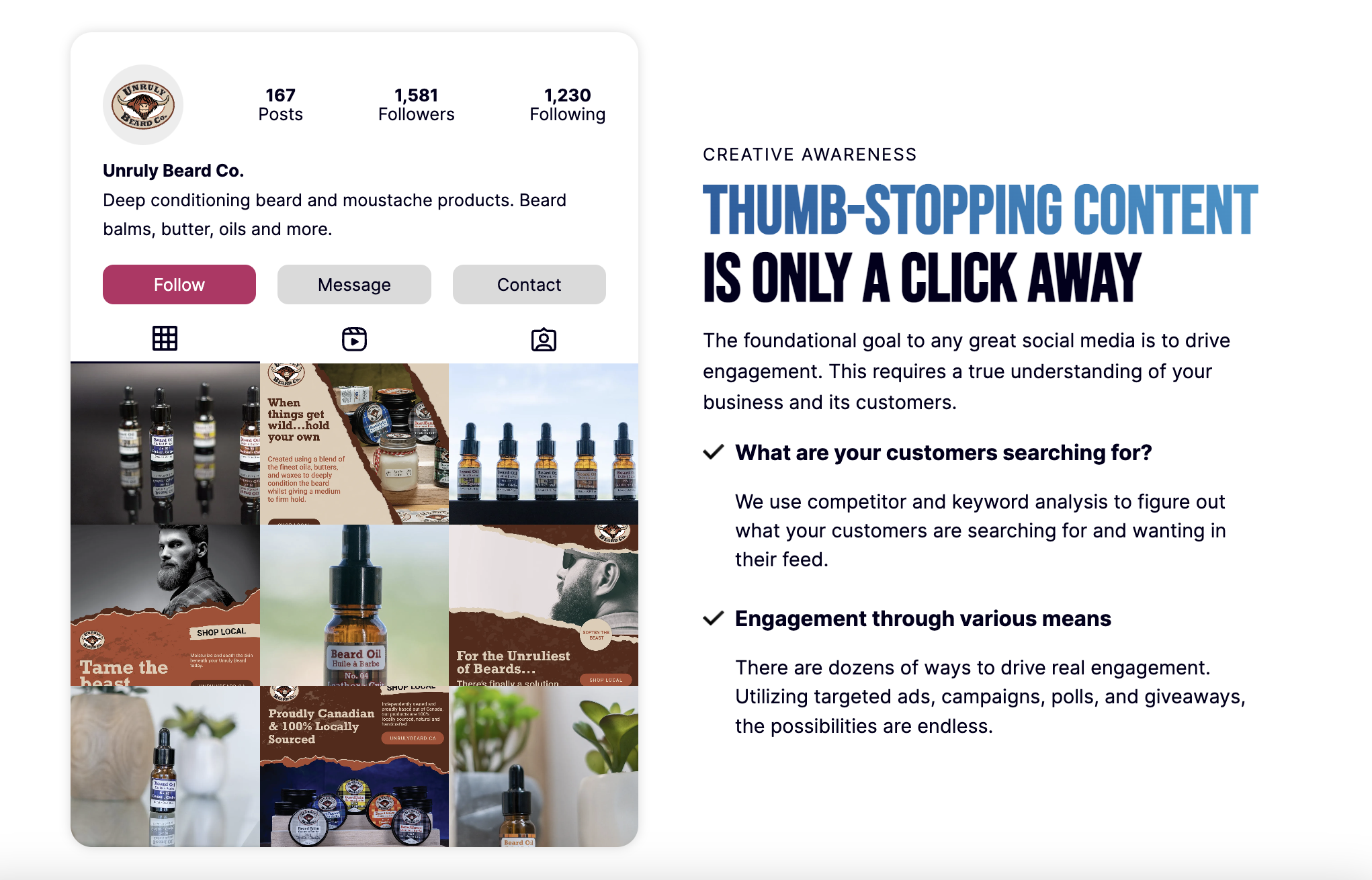
While the allure of immediate outcomes from paid ads is undeniable, cultivating organic strategies can be the cornerstone for sustained visibility and engagement. This includes:
- Content Marketing: Crafting informative, relevant, and engaging content can organically draw potential customers to your digital assets.
- Search Engine Optimization (SEO): Optimizing your online content to rank higher on search engines can incrementally enhance visibility without incurring recurring ad costs.
- Social Media Engagement: Regular interactions, updates, and engagement on social platforms can foster community-building and organic brand promotion.
Capitalizing on Authenticity: Leveraging User-Generated Content (UGC)
In an age where authenticity is treasured, UGC stands as a beacon of trustworthiness. Encouraging and showcasing content created by your patrons not only serves as cost-effective advertising but also buttresses the brand's credibility in potential customers' eyes.
Rekindling Past Interactions: Implementing Retargeting Campaigns
Harnessing the potential of those who have previously interacted with your brand can be a goldmine. Retargeting campaigns focus on this already warmed-up audience, yielding cost advantages and often higher conversion probabilities.
Wrapping Up
The digital advertising ecosystem, with its intrinsic complexities, challenges businesses to remain agile and adaptive. While escalating ad costs may seem daunting, with a sound strategy and innovative approaches, businesses can ensure their advertising endeavors remain both effective and economical.
Frequently Asked Questions
Why are digital advertising costs rising so significantly?
The surge in digital ad costs can be attributed to several factors, including increased demand for ad space as more businesses venture online, the refined precision of ad targeting which, although efficient, has a cost premium, and the dominant influence of a few major platforms that control a large share of the digital ad space.
How can businesses diversify their advertising platforms effectively?
Businesses can effectively diversify their advertising platforms by conducting thorough research on platforms relevant to their target audience, setting aside a portion of their ad budget for experimentation on new platforms, and monitoring the performance of ads across different platforms to determine which ones offer the best ROI.
What is User-Generated Content (UGC) and how does it benefit advertising strategies?
User-Generated Content (UGC) refers to content created and shared by consumers or users of a brand. This could be in the form of reviews, testimonials, photos, videos, or any other content that showcases the brand from a consumer's perspective. UGC acts as a form of word-of-mouth promotion and is perceived as more authentic and trustworthy than brand-generated content, thereby boosting brand credibility and potentially enhancing conversion rates.
How does retargeting differ from standard advertising campaigns?
Retargeting, also known as remarketing, specifically targets individuals who have previously interacted with a brand's website, products, or services. Instead of targeting a broad audience, retargeting campaigns focus on serving ads to those who have shown prior interest, making them more likely to convert. In contrast, standard advertising campaigns aim to reach a broader audience, irrespective of their past interactions with the brand.
Is investing in organic strategies a viable alternative to paid advertising?
While both organic and paid strategies have their unique advantages, investing in organic methods offers long-term benefits. Organic strategies, such as content marketing, SEO, and social media engagement, can foster sustained growth, visibility, and customer loyalty. However, they often require a longer timeframe to see significant results. Conversely, paid advertising can provide immediate visibility and quick results, albeit at a recurring cost. Ideally, a balanced combination of both strategies is recommended for optimal outcomes.