
Paid vs. Organic Social Media: Which Strategy is Right for Your Brand?
In the ever-evolving world of digital marketing, social media platforms have become essential tools for businesses to build brand awareness, engage with customers, and drive traffic. However, social media marketing can be divided into two distinct strategies: paid and organic. Understanding the differences between the two can help brands maximize their impact and allocate resources effectively.
What is Organic Social Media?

Organic social media refers to the free content you post on your social media profiles, such as photos, videos, stories, and text updates. These posts are visible to your followers and, depending on engagement, may reach their network as well through shares or likes.
Benefits of Organic Social Media
- Builds Authentic Relationships: Organic social media is perfect for nurturing relationships with your audience. Through consistent posting, replying to comments, and engaging with followers, you can build a loyal community around your brand. This strategy promotes trust, which can lead to long-term customer relationships.
- Cost-Effective: Organic social media content doesn’t cost anything to post, making it a highly budget-friendly option, especially for small businesses or startups. It allows you to share updates, engage with customers, and build your brand presence without direct financial investment.
- Showcases Brand Personality: Organic content offers brands the freedom to showcase their personality and values through storytelling, behind-the-scenes content, and user-generated posts. It helps your brand appear more human and relatable, which can strengthen connections with your audience.
- Long-Term Engagement: While organic content might not have the immediate impact of paid ads, it provides steady, long-term growth. The more you engage and provide value through organic content, the more your community will interact with your brand.
Challenges of Organic Social Media
Limited Reach The biggest challenge with organic social media is that platform algorithms limit how many people see your posts. On platforms like Facebook and Instagram, only a small percentage of your followers might see your organic posts, which can restrict your reach.
- Slow Growth: Building a loyal following through organic content takes time and patience. Organic growth can be slow, and it’s difficult to see quick, measurable results unless your content goes viral or you already have a large, engaged audience.
What is Paid Social Media?
Paid social media refers to advertising on platforms like Facebook, Instagram, LinkedIn, and Twitter, where brands pay to have their content or promotions displayed to specific audiences. This can include sponsored posts, display ads, or video ads, all designed to drive clicks, engagement, and conversions.
Benefits of Paid Social Media
- Increased Reach: Paid ads allow you to reach a much larger audience beyond just your followers. With paid social, you can target specific demographics, interests, behaviors, and even retarget users who’ve interacted with your brand previously. This makes it an effective way to broaden your visibility and reach new customers.
- Immediate Results: One of the most significant advantages of paid social media is the speed of results. Unlike organic content, paid ads can deliver immediate traffic, conversions, or engagement. This makes it ideal for time-sensitive campaigns such as promotions or product launches.
- Advanced Targeting Options: Paid social media platforms offer detailed targeting options to reach the exact audience most likely to convert. Whether it's by location, age, gender, interests, or online behavior, paid social ensures your content is seen by the right people at the right time.
- Scalability: With paid ads, you have more control over your marketing budget. You can start small and scale your campaigns as you see positive results. It also allows businesses to test different messages and visuals through A/B testing, optimizing for the best performance.
When to Use Organic Social Media
1. To Build Brand Awareness and Loyalty
Organic social is great for establishing your brand identity and building a loyal community over time. It allows you to share content that reflects your brand values, engage directly with customers, and humanize your business.
2. For Long-Term Engagement
If you're looking to create sustained engagement and nurture relationships with your audience, organic social is ideal. Regular posting, user interaction, and consistent value-add content can foster a strong bond with your community.
3. If You’re Working with a Limited Budget
For businesses that don't have a big advertising budget, organic social media is the way to go. It's cost-effective and allows you to stay visible, even if growth is slow.
When to Use Paid Social Media
1. For Quick Results and Immediate Impact
If you’re launching a new product, hosting a time-sensitive promotion, or driving traffic to a landing page, paid social media is the most efficient way to achieve quick, measurable results. Paid ads let you generate interest and sales almost instantly.
2. To Target Specific Audiences
Paid social is invaluable when you want to target a specific audience based on demographics, interests, or behaviors. You can tailor your campaigns to reach the right people at the right time, ensuring higher conversion rates.
3. To Complement Organic Growth
Paid and organic social work best when they complement each other. You can use organic posts to nurture relationships and create valuable content, while paid social can amplify your message and reach new potential customers.
FAQ’s
1. Can I grow my social media presence without paid ads?
Yes, it's possible to grow organically, but it often takes more time and effort. Consistency, high-quality content, and engagement with followers are key to building an organic social media presence. However, using paid ads can significantly speed up the process.
2. Is paid social media worth the cost?
Paid social media can be highly effective in driving quick results, reaching new audiences, and increasing conversions. However, the success of your campaigns depends on how well you target your audience and optimize your ad spend. When done correctly, it can offer a good return on investment.
3. How can I increase my organic reach on social media?
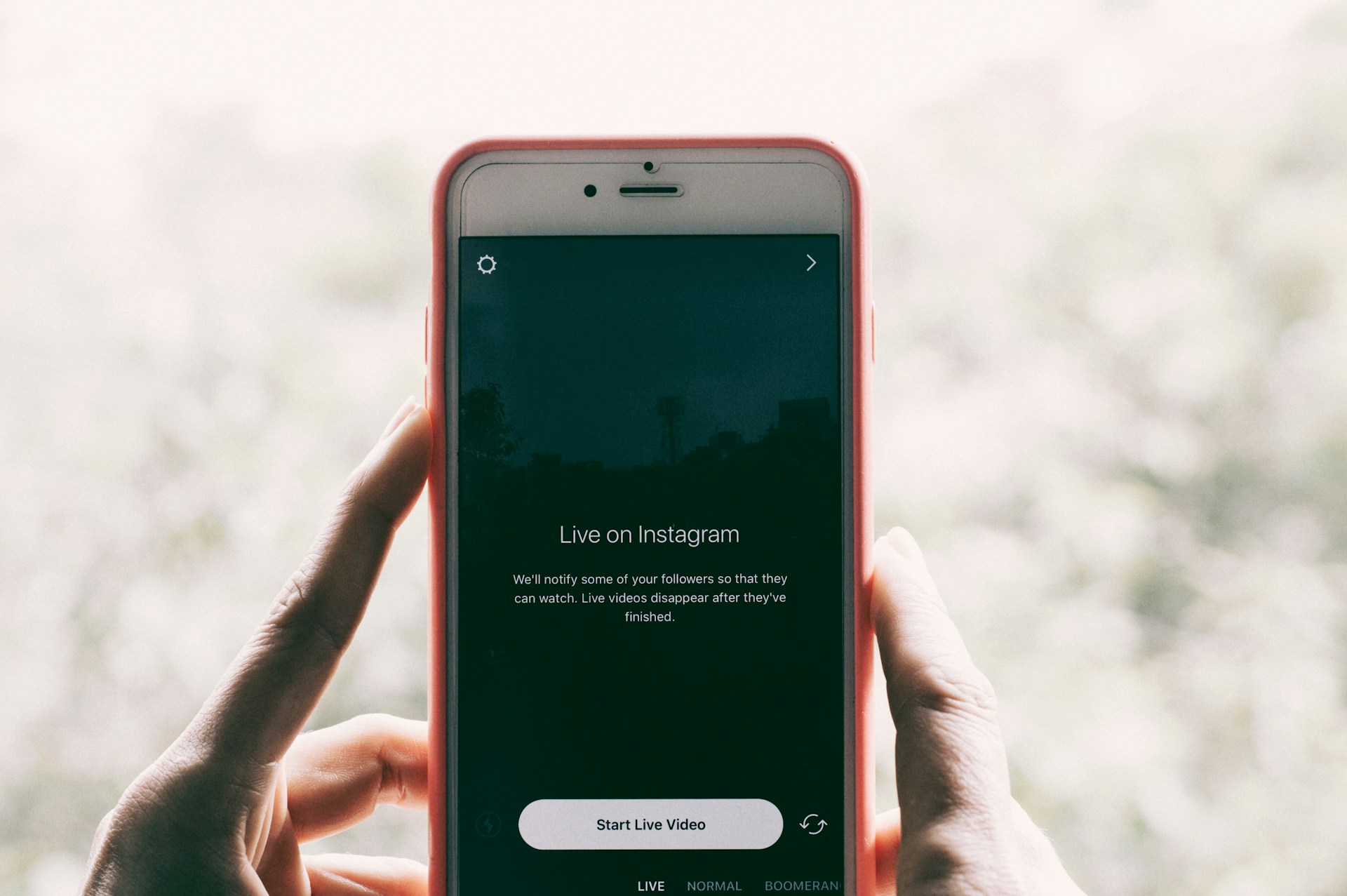
To increase your organic reach, focus on creating shareable, high-quality content that resonates with your audience. Engage with your followers by replying to comments, starting conversations, and using features like stories or live video to keep your audience engaged.
4. Should small businesses focus more on organic or paid social media?
Small businesses with limited budgets may want to start with organic strategies to build a community and engage with customers. Once they have a foundation, investing in paid ads can help them scale and reach new audiences more quickly.
5. How do I decide on a budget for paid social media?
The best way to determine your budget is to start small and test different campaigns. Monitor your performance, and as you begin to see positive results, scale your budget gradually. Consider A/B testing to find the most cost-effective approach before committing larger sums.